The old rules don’t work anymore
Interrupt. Broadcast. Sell.
Gen Z ignores all three.
They are too used to filtering noise, too aware of how brands communicate, and too quick to disengage from anything that feels like traditional advertising.
This doesn’t make them harder to reach.
It makes them harder to impress.
They don’t want to be sold to
They want to participate.
Gen Z doesn’t want to stand outside the brand story. They want to step into it.
They expect interaction, not messaging.
Involvement, not observation.
When people can shape an experience – explore it, influence it, personalise it – the brand becomes something lived.
And what is lived is remembered.

Attention is earned differently now
Gen Z lives in endless content.
Every moment competes with something else: a video, a trend, a creator, a conversation.
Brands are no longer competing with each other.
They are competing with culture.
If an experience doesn’t stand out, it disappears.
If it doesn’t create curiosity, it gets ignored.
Attention is no longer captured.
It is earned.
The biggest risk for brands is boredom
Not dislike.
Disinterest.
A brand doesn’t need to be rejected to fail. It only needs to be ignored.
Gen Z quickly moves on from experiences that feel predictable, static or overproduced. If nothing invites exploration or engagement, the brand becomes irrelevant.
This is why engagement can’t be decorative.
It must be designed.
Experiences are the new brand interface
Not campaigns. Not ads.
Experiences are where brands become real.
Pop-ups, activations, immersive spaces, hybrid environments – these are no longer extensions of a brand.
They are where people actually connect with it.
This is where identity becomes tangible.
Where values become visible.
Where perception is formed.

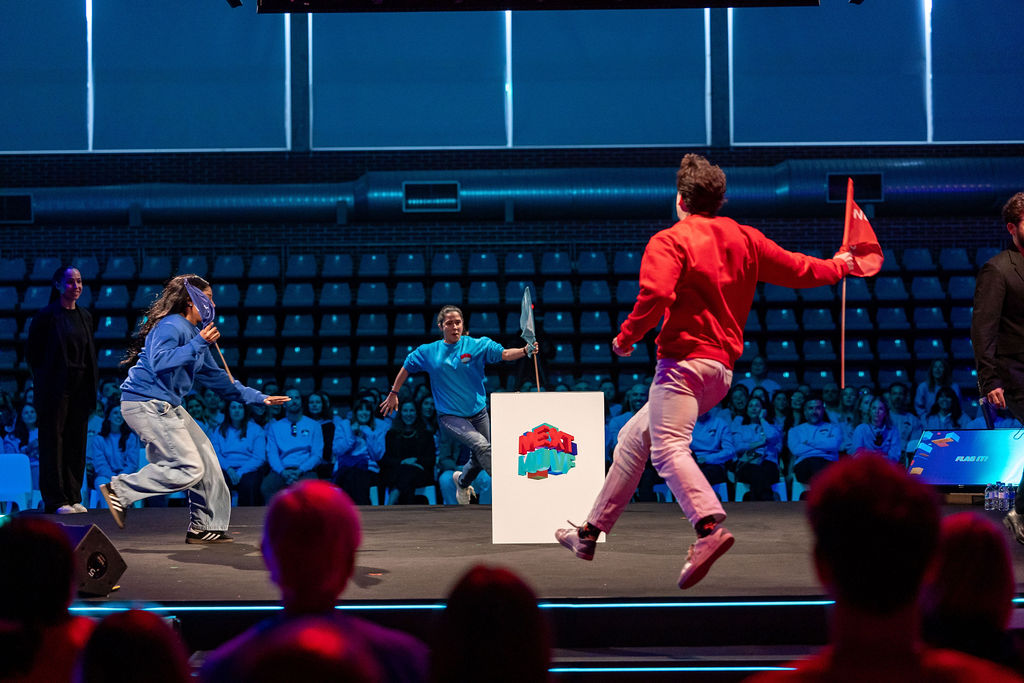
Design for participation
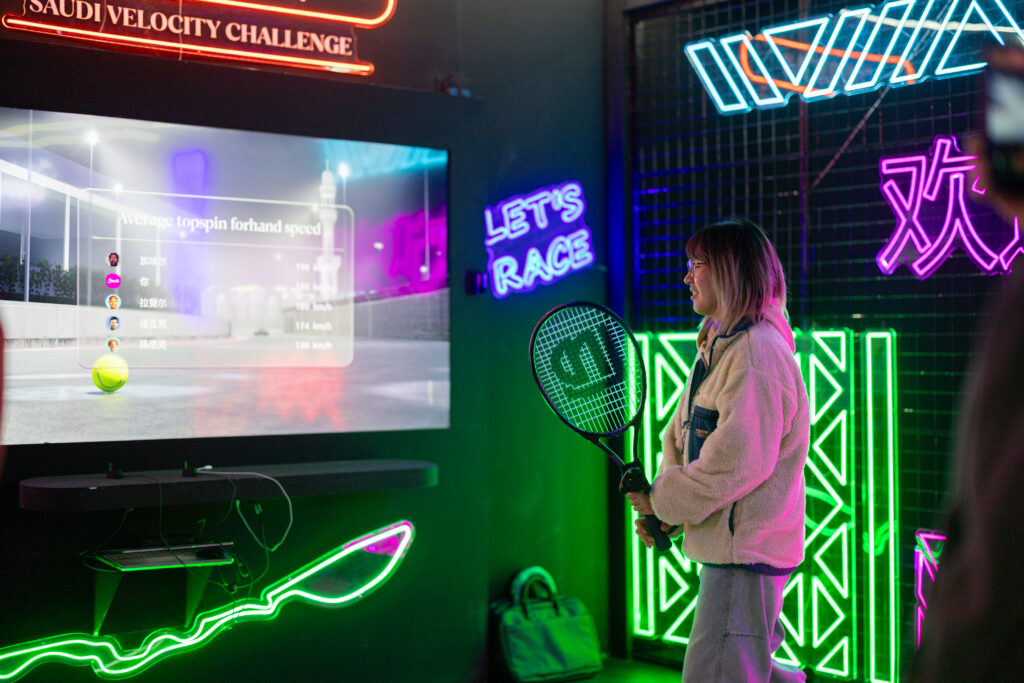
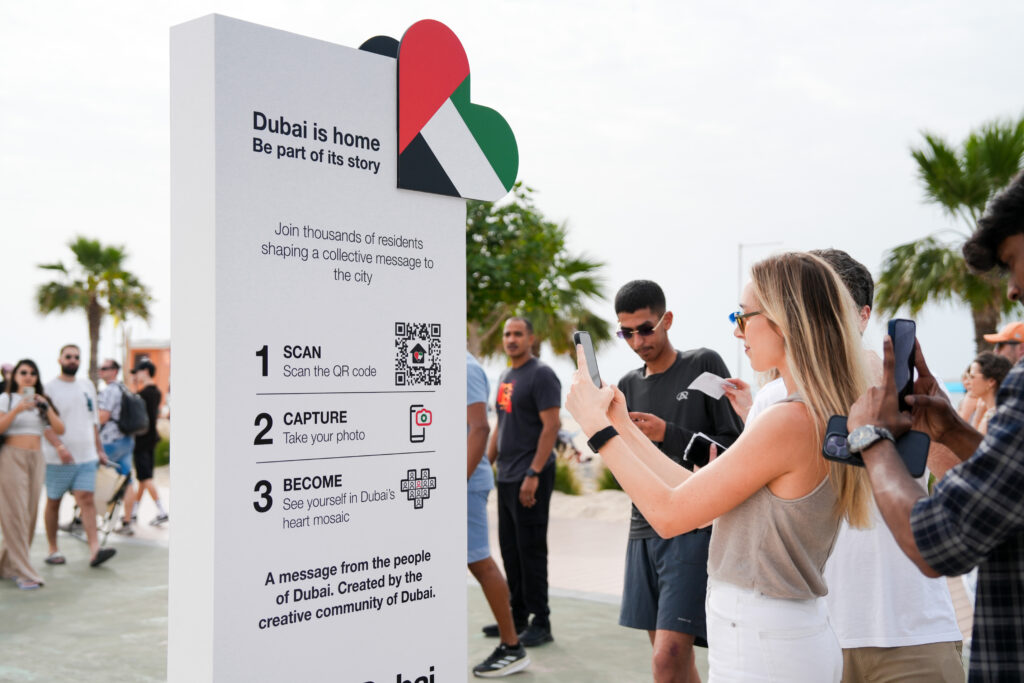
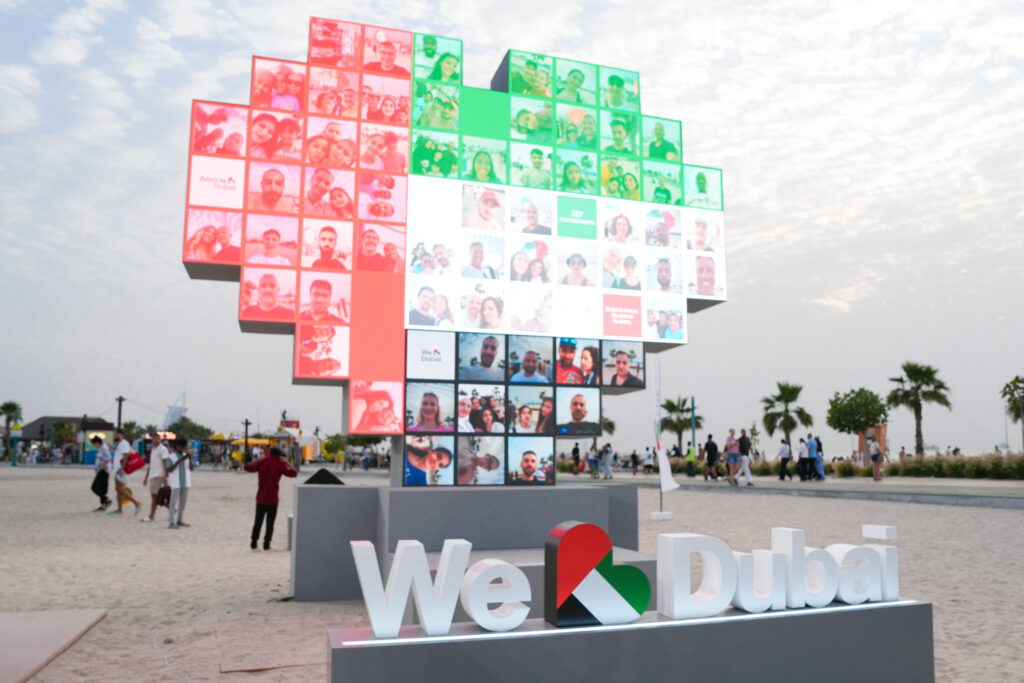
Make people part of the experience. Not spectators.
Moments that invite curiosity.
Spaces that encourage discovery.
Interactions that feel dynamic.
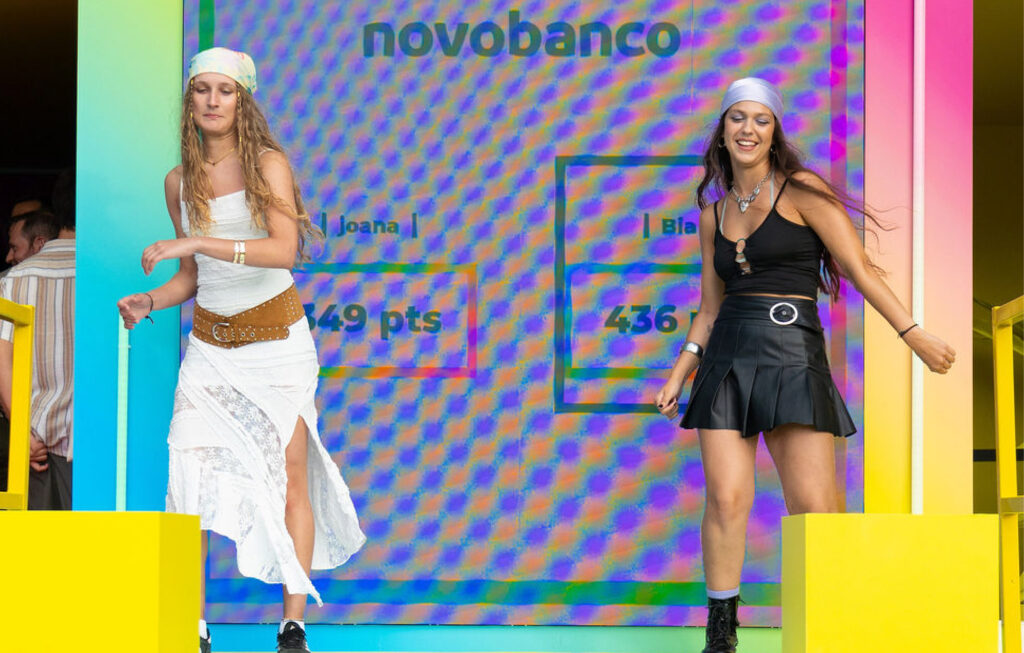
Gamification, movement, challenge and reward are powerful tools.
Not because they entertain, but because they engage.
When people explore, they invest attention.
And when they invest attention, they begin to care.
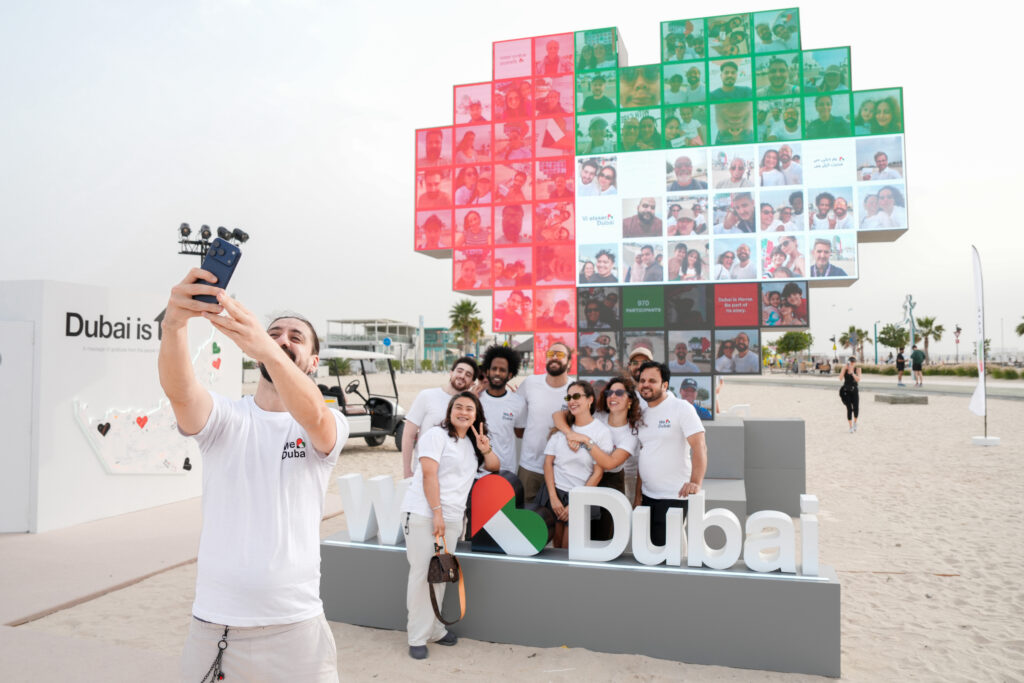
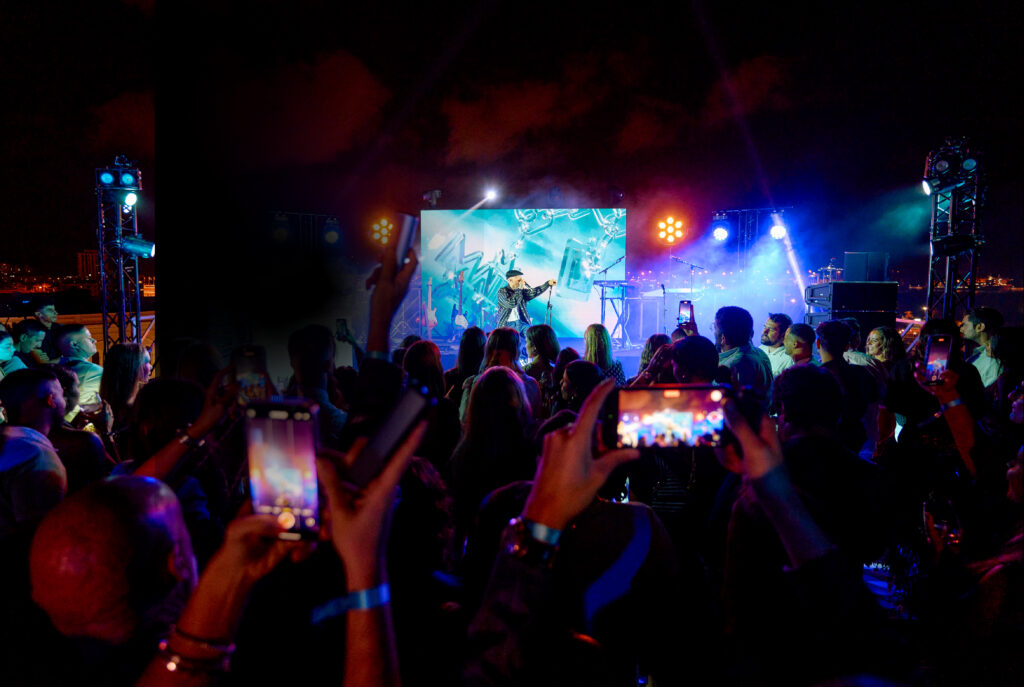
Design for sharing
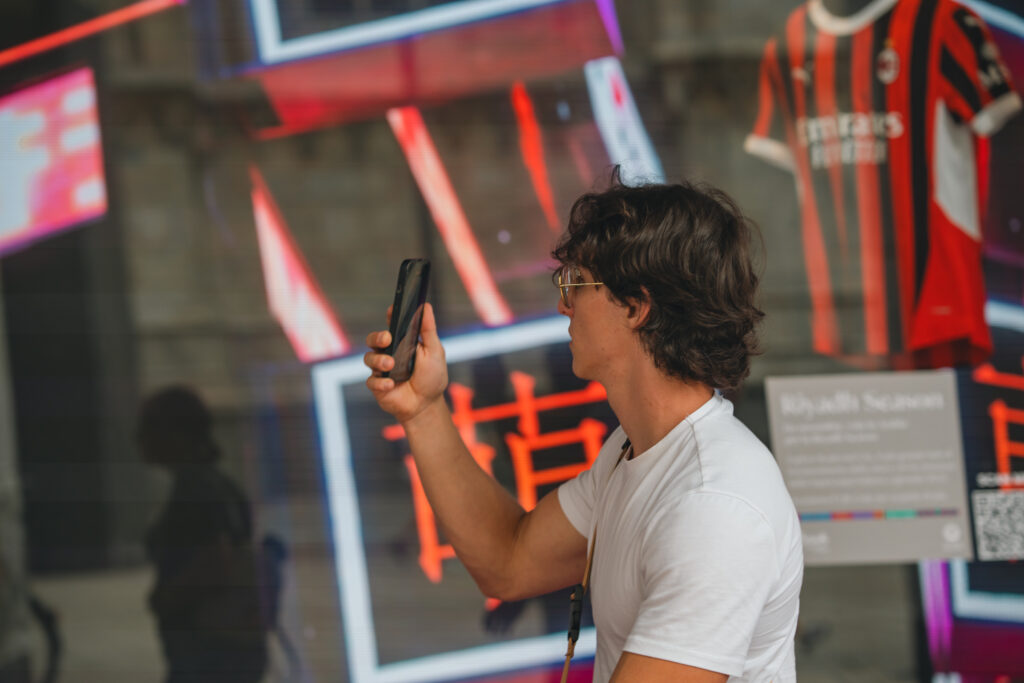
If it’s not captured, it doesn’t exist.
For Gen Z, sharing is part of the experience, not what happens after it.
They document, reinterpret and distribute moments in real time.
They turn experiences into content, and content into culture.
The question is no longer just “Will people enjoy this?”
It’s “Will people want to share this?”
The most effective experiences don’t just generate attendance.
They generate conversation.

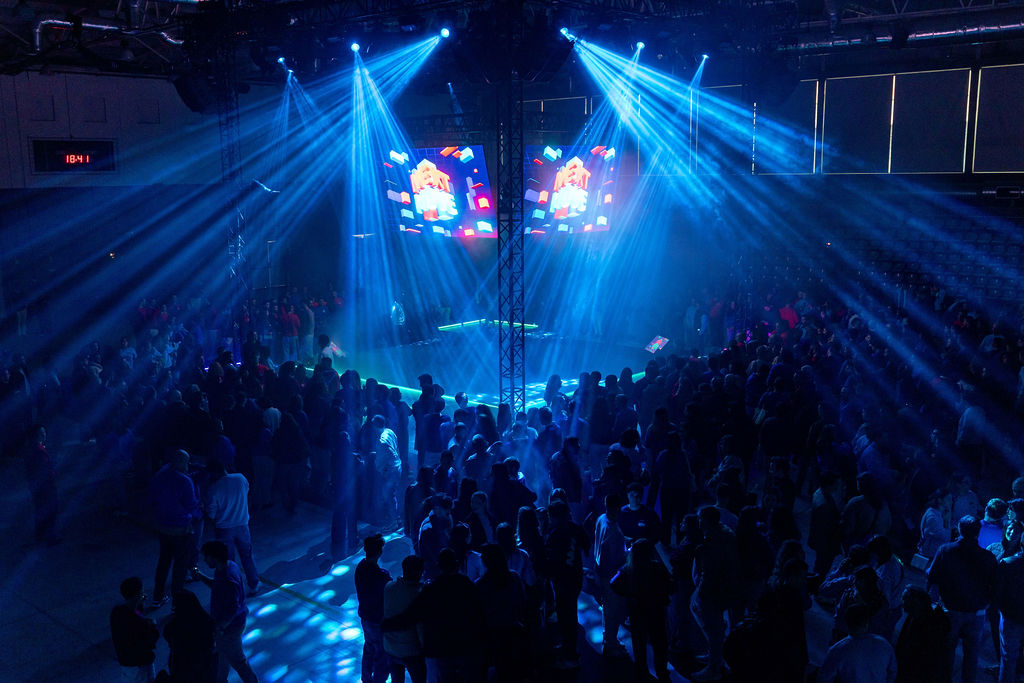
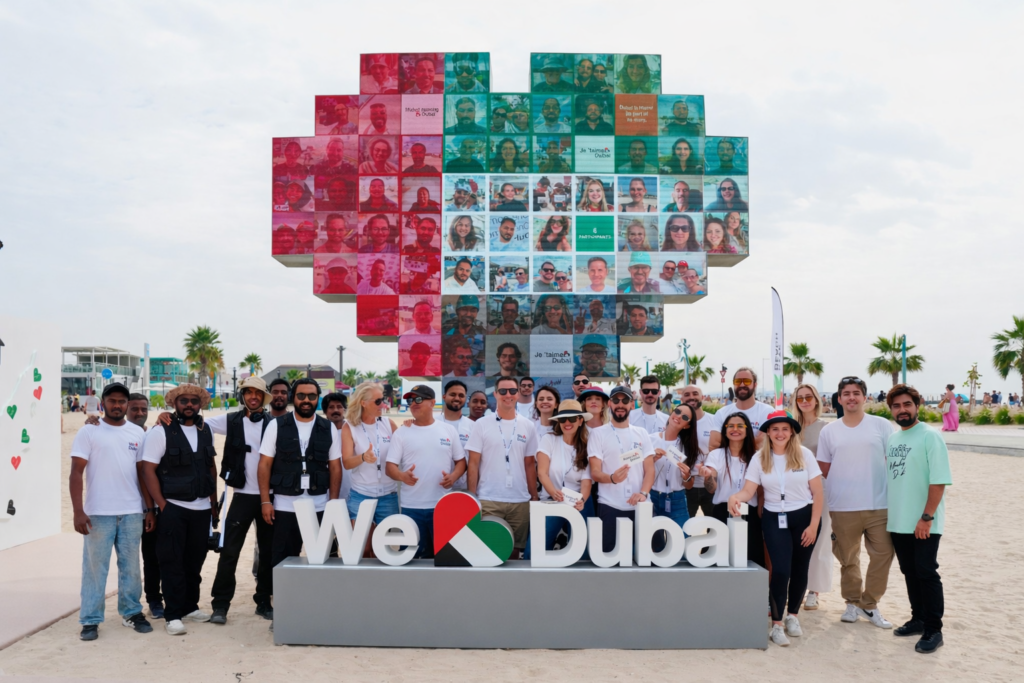
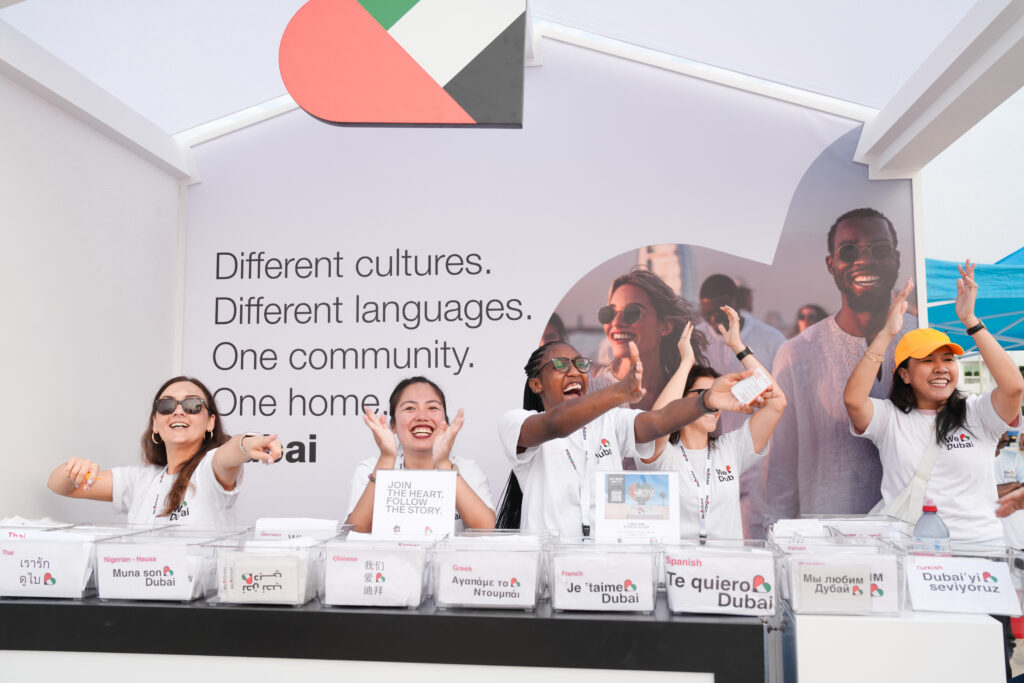
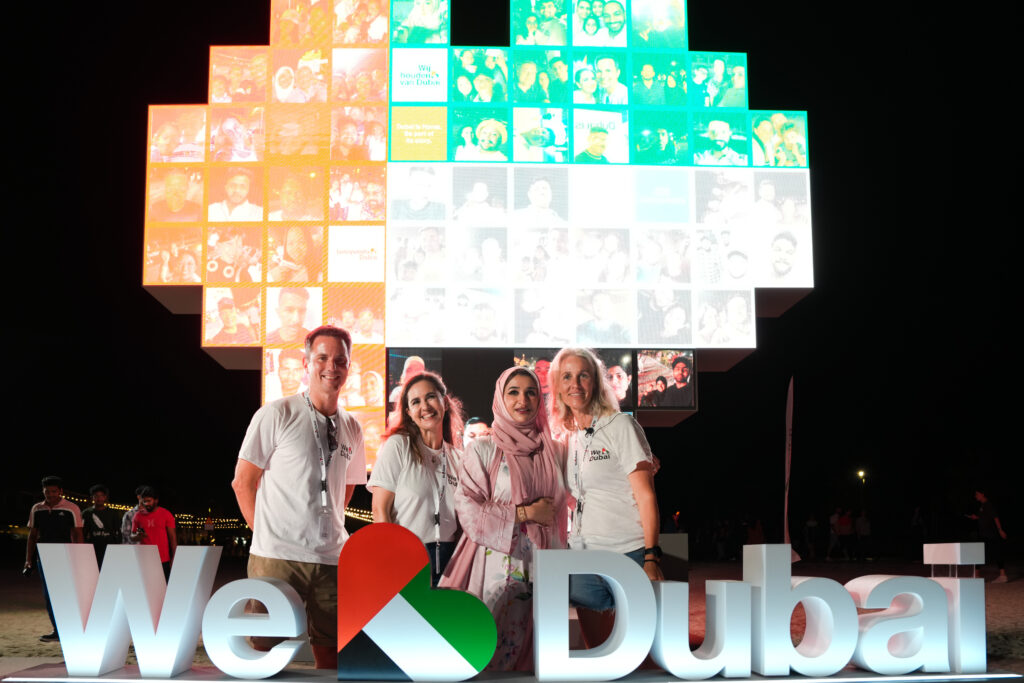
Build communities
Not audiences.
Gen Z is not looking for brands.
They are looking for belonging.
In a world of constant connection and growing isolation, experiences that bring people together feel more valuable than ever.
The strongest brand experiences don’t just gather people.
They connect them.
They create shared moments, shared identity and shared meaning.
That’s where relevance lives.
Be authentic
Not polished.
Not staged.
Real people.
Real values.
Real interaction.
Gen Z can quickly identify when something feels artificial or overly controlled.
They don’t expect perfection.
They expect honesty.
Experiences that feel human build trust.
Experiences that feel scripted create distance.

Turn values into action
Don’t talk about purpose. Show it.
Gen Z expects brands to live what they stand for, not just communicate it.
Experiences are where that becomes visible.
Sustainability, inclusion, community, creativity – these aren’t messages. They are behaviors.
This is where brands prove their credibility.
Let go of control
Gen Z doesn’t want curated experiences. They want to co-create them.
The more controlled an experience feels, the less space there is for people to engage with it.
The most relevant brand experiences today are open enough to be shaped by those inside them.
The brand is no longer the sole author.
It becomes the facilitator.
Because for gen z, brand is not what you say
It’s what people share.
Brand lives in culture.
In conversation.
In what people choose to carry forward.
Experiences are what make that possible.
This is why Gen Z is rewriting the rules of brand experience
They are changing what attention means.
What trust means.
What engagement means.
They are pushing brands away from interruption and toward interaction.
Away from control and toward co-creation.
Away from audiences and toward communities.
This is not a trend.
It’s a shift in how brands connect with people.
The brands that win are not the loudest
They are the ones people talk about, share, and remember.
Because the most powerful brand experiences today
are not the ones people attend.
They are the ones people carry into culture.
SOURCES
Paradigm — Gen Z & Experiential Marketing: What Today’s Consumers Expect from Brand Experiences
Imagination — Gen Z Plays to Win and So Should Brands
Imagination — The Gen Z Hunt for Community and Connection
Thred / The Gen Zer — Gen Z and the Age of Experiential Marketing
Campus — Why Experiential Marketing Is Key To Winning Over Gen Z
Pulse Advertising — Gain Gen Z’s Trust Through Experiential Marketing
Cramer — How Gen Z Is Reshaping Experiential Marketing Expectations
Art of Impact — Marketing to Gen Z
Vogue Business & Snapchat — How Can Brands Capture the Loyalty of Gen Z?
Ogilvy — For Gen Z, Brand Is What You Share, Not What You Sell
Ogilvy Consulting — Fandom Flux: Codes for Growth with Gen Z & Gen Alpha