Category

Insights

Gen Z is rewriting the rules of Brand Experience

By Insights, Destaque No Comments
INSIGHT

Gen Z is rewriting
the rules of Brand Experience

29 April 2026

Gen Z by Multilem

Not slowly. Completely.
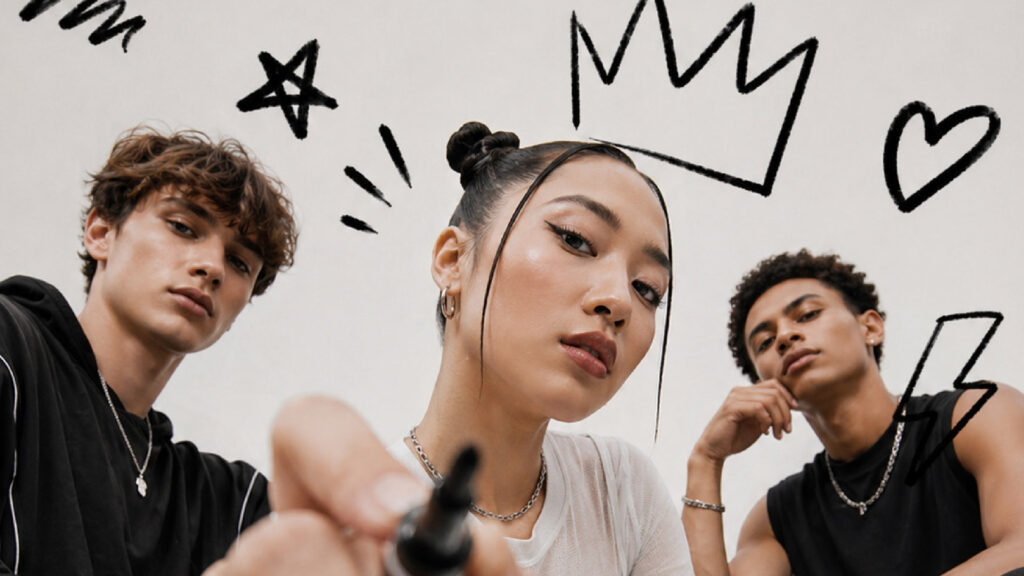
For years, brands followed the same playbook: interrupt, broadcast, sell.
That logic no longer works.

Gen Z has grown up in a world of constant content, connection and choice. They don’t wait to be persuaded. They decide what deserves their attention, and what doesn’t.

Today, visibility alone is not enough.
Relevance is everything.

And brand experience is where that relevance is built.

The old rules don’t work anymore
Interrupt. Broadcast. Sell.
Gen Z ignores all three.

They are too used to filtering noise, too aware of how brands communicate, and too quick to disengage from anything that feels like traditional advertising.

This doesn’t make them harder to reach.
It makes them harder to impress.

They don’t want to be sold to
They want to participate.

Gen Z doesn’t want to stand outside the brand story. They want to step into it.

They expect interaction, not messaging.
Involvement, not observation.

When people can shape an experience – explore it, influence it, personalise it – the brand becomes something lived.

And what is lived is remembered.

Attention is earned differently now
Gen Z lives in endless content.

Every moment competes with something else: a video, a trend, a creator, a conversation.

Brands are no longer competing with each other.
They are competing with culture.

If an experience doesn’t stand out, it disappears.
If it doesn’t create curiosity, it gets ignored.

Attention is no longer captured.
It is earned.
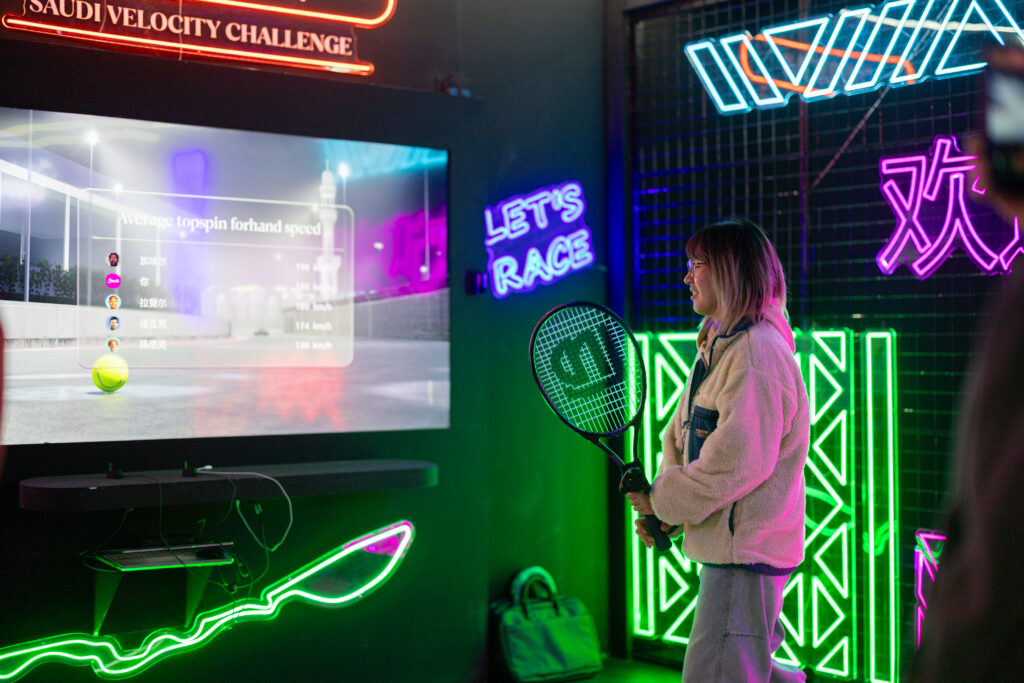
The biggest risk for brands is boredom
Not dislike.
Disinterest.

A brand doesn’t need to be rejected to fail. It only needs to be ignored.

Gen Z quickly moves on from experiences that feel predictable, static or overproduced. If nothing invites exploration or engagement, the brand becomes irrelevant.

This is why engagement can’t be decorative.
It must be designed.
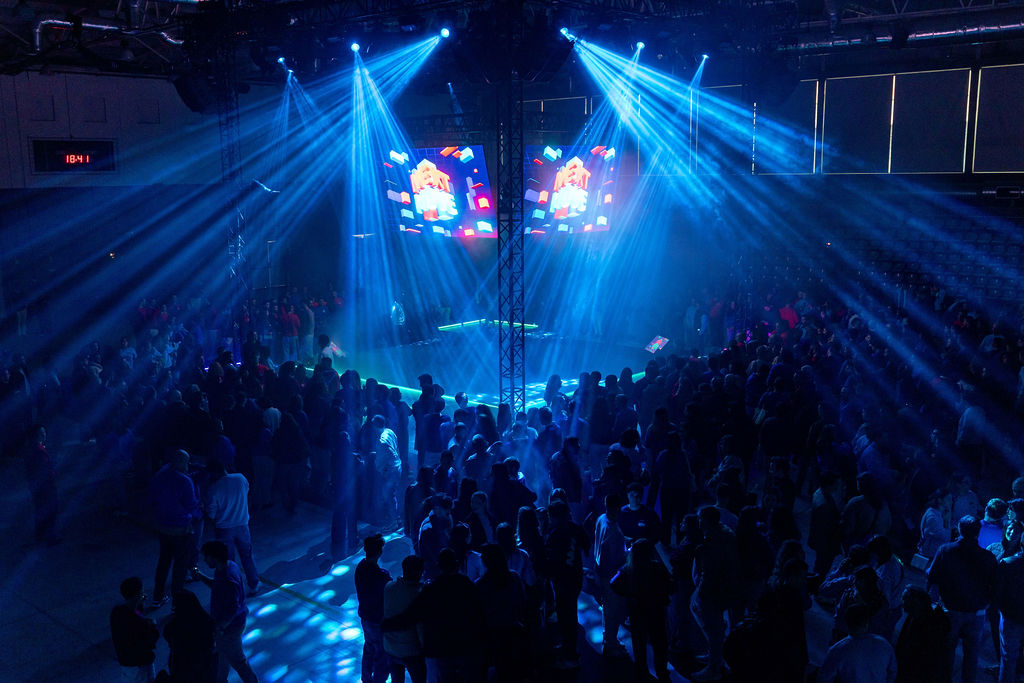


Experiences are the new brand interface
Not campaigns. Not ads.

Experiences are where brands become real.

Pop-ups, activations, immersive spaces, hybrid environments – these are no longer extensions of a brand.
They are where people actually connect with it.

This is where identity becomes tangible.
Where values become visible.
Where perception is formed.
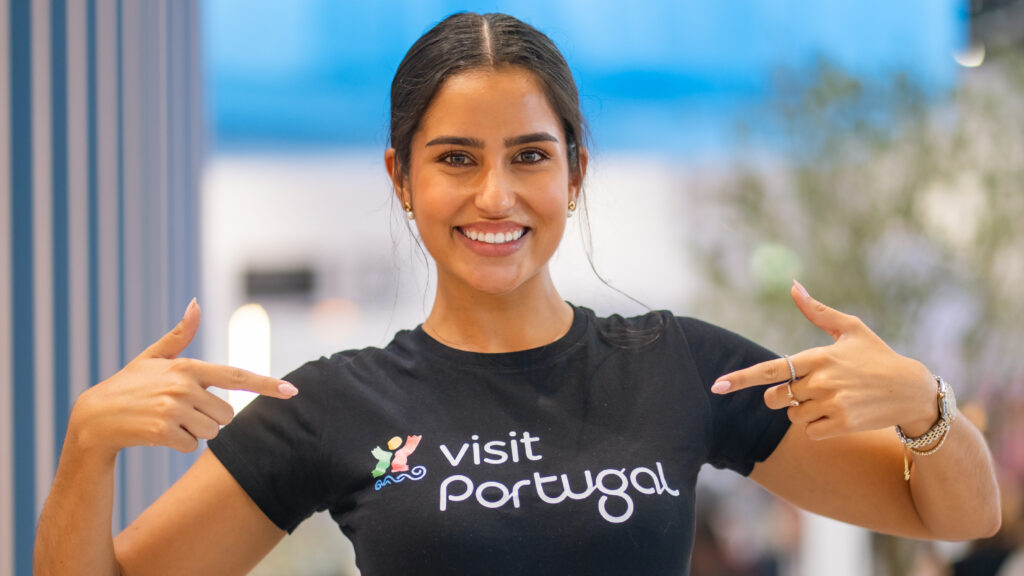
Design for participation
Make people part of the experience. Not spectators.

Moments that invite curiosity.
Spaces that encourage discovery.
Interactions that feel dynamic.

Gamification, movement, challenge and reward are powerful tools.
Not because they entertain, but because they engage.

When people explore, they invest attention.
And when they invest attention, they begin to care.
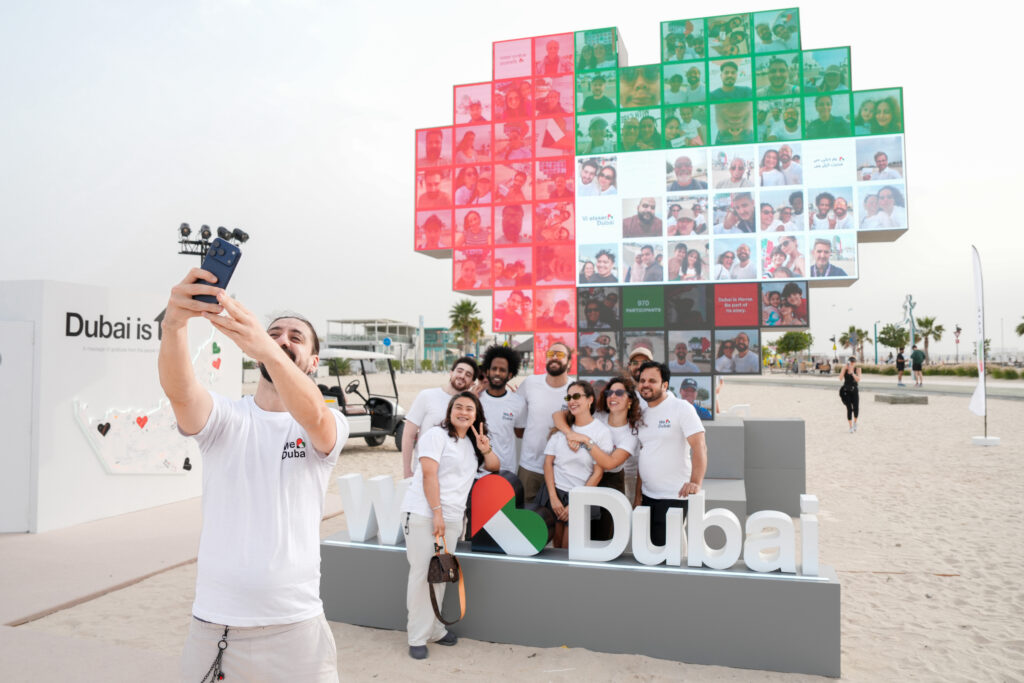
Design for sharing
If it’s not captured, it doesn’t exist.

For Gen Z, sharing is part of the experience, not what happens after it.

They document, reinterpret and distribute moments in real time.
They turn experiences into content, and content into culture.

The question is no longer just “Will people enjoy this?”
It’s “Will people want to share this?”

The most effective experiences don’t just generate attendance.
They generate conversation.
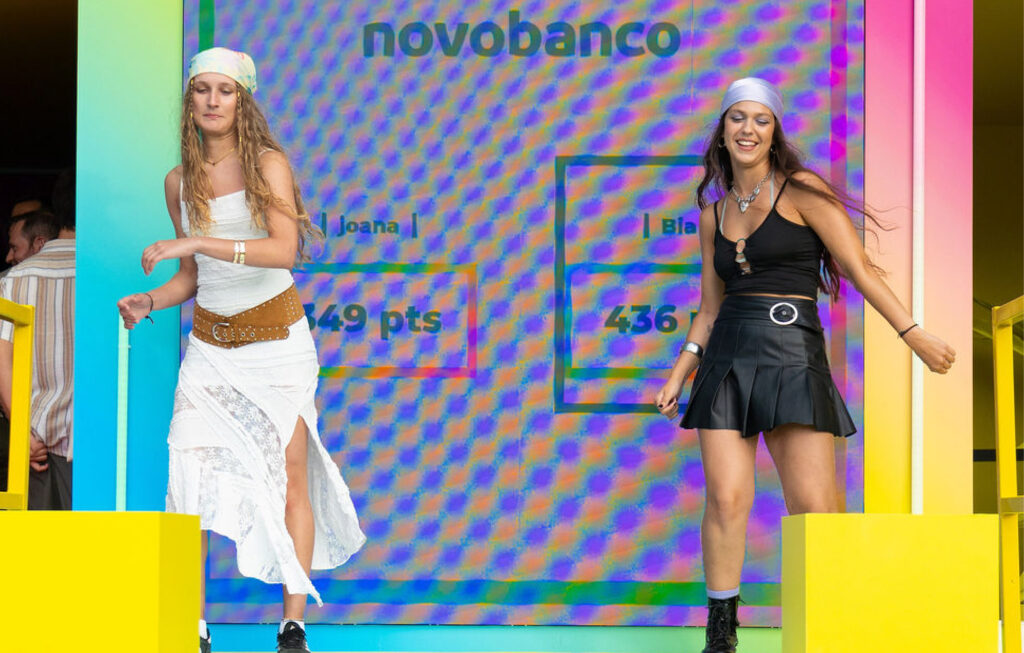
Build communities
Not audiences.

Gen Z is not looking for brands.
They are looking for belonging.

In a world of constant connection and growing isolation, experiences that bring people together feel more valuable than ever.

The strongest brand experiences don’t just gather people.
They connect them.

They create shared moments, shared identity and shared meaning.
That’s where relevance lives.

Be authentic

Not polished.
Not staged.

Real people.
Real values.
Real interaction.

Gen Z can quickly identify when something feels artificial or overly controlled.

They don’t expect perfection.
They expect honesty.

Experiences that feel human build trust.
Experiences that feel scripted create distance.
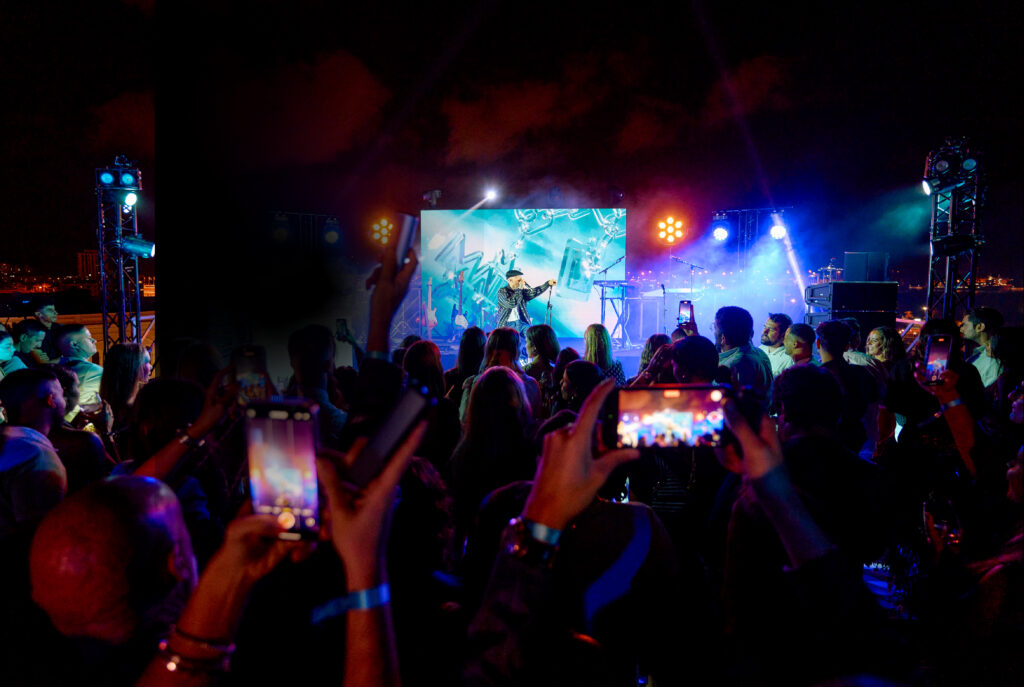
Turn values into action
Don’t talk about purpose. Show it.

Gen Z expects brands to live what they stand for, not just communicate it.

Experiences are where that becomes visible.

Sustainability, inclusion, community, creativity – these aren’t messages. They are behaviors.

This is where brands prove their credibility.
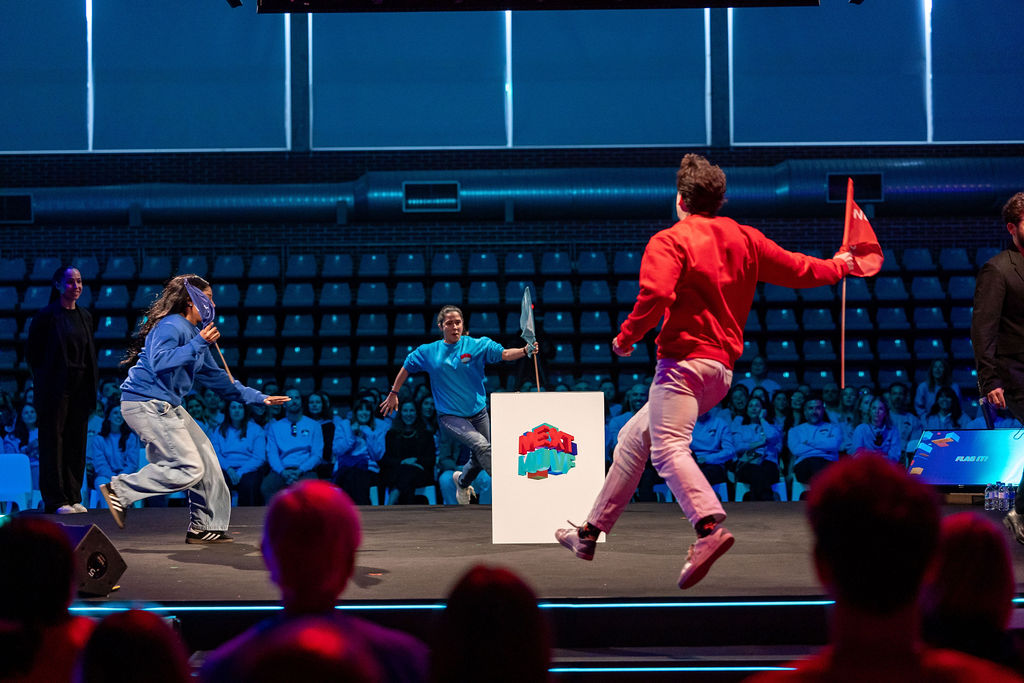
Let go of control
Gen Z doesn’t want curated experiences. They want to co-create them.

The more controlled an experience feels, the less space there is for people to engage with it.
The most relevant brand experiences today are open enough to be shaped by those inside them.

The brand is no longer the sole author.
It becomes the facilitator.
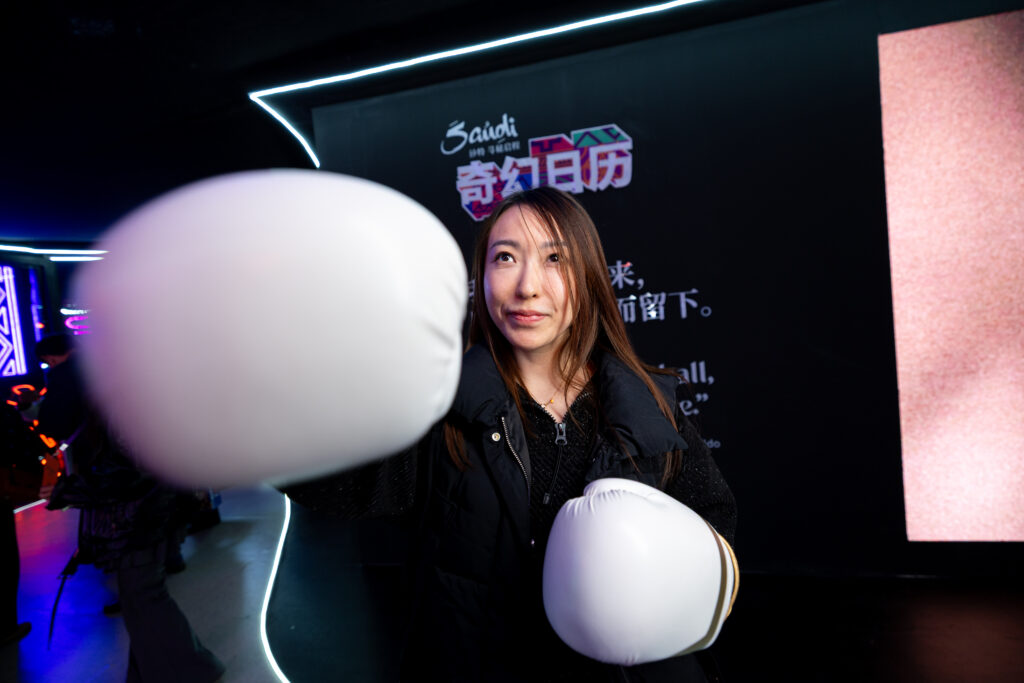
Because for gen z, brand is not what you say
It’s what people share.

Brand lives in culture.
In conversation.
In what people choose to carry forward.

Experiences are what make that possible.
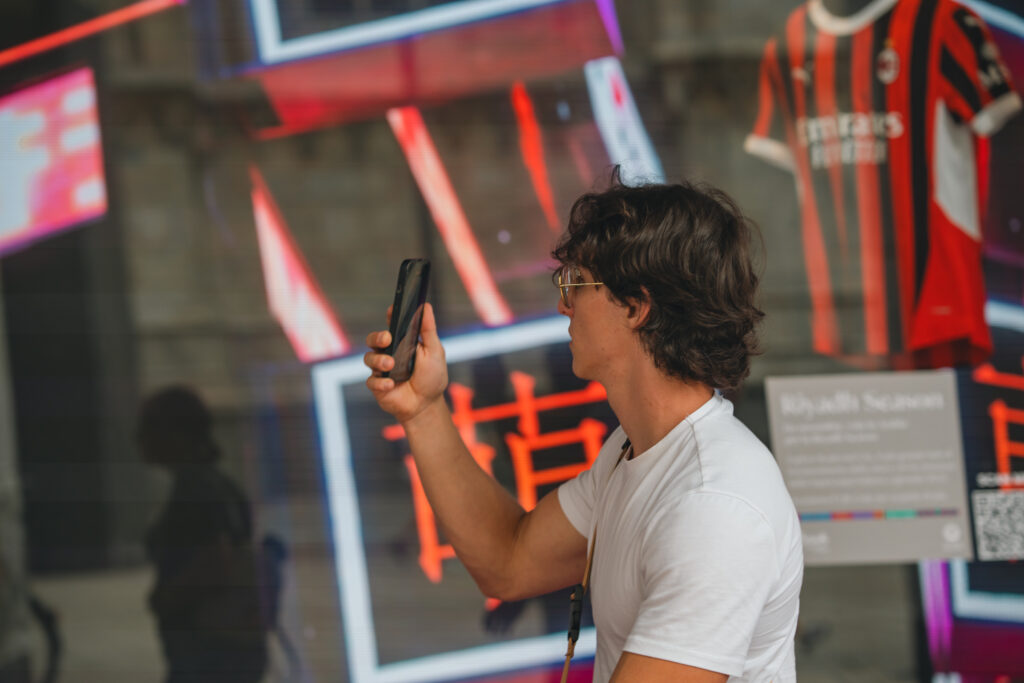
This is why Gen Z is rewriting the rules of brand experience

They are changing what attention means.
What trust means.
What engagement means.

They are pushing brands away from interruption and toward interaction.
Away from control and toward co-creation.
Away from audiences and toward communities.

This is not a trend.
It’s a shift in how brands connect with people.

The brands that win are not the loudest
They are the ones people talk about, share, and remember.

Because the most powerful brand experiences today
are not the ones people attend.

They are the ones people carry into culture.

Gen Z by Multilem, download here.


SOURCES

Paradigm — Gen Z & Experiential Marketing: What Today’s Consumers Expect from Brand Experiences
Imagination — Gen Z Plays to Win and So Should Brands
Imagination — The Gen Z Hunt for Community and Connection
Thred / The Gen Zer — Gen Z and the Age of Experiential Marketing
Campus — Why Experiential Marketing Is Key To Winning Over Gen Z
Pulse Advertising — Gain Gen Z’s Trust Through Experiential Marketing
Cramer — How Gen Z Is Reshaping Experiential Marketing Expectations
Art of Impact — Marketing to Gen Z
Vogue Business & Snapchat — How Can Brands Capture the Loyalty of Gen Z?
Ogilvy — For Gen Z, Brand Is What You Share, Not What You Sell
Ogilvy Consulting — Fandom Flux: Codes for Growth with Gen Z & Gen Alpha

LET’S TALKtest

Stop Entertaining. Start Moving.

By Insights, Destaque No Comments
INSIGHT

Stop Entertaining.
Start Moving.

March 17th, 2026

Performative Arts by Multilem

Not everything that entertains creates brand awareness.
And not everything that makes noise creates meaning.

For years, experiential marketing has focused on scale, spectacle and visibility. Entertainment delivers impact. It generates buzz. It fills rooms. But when the objective is positioning, culture and long-term perception, entertainment alone is not enough.

That is where Performative Arts comes in.

Entertainment Captures Attention. Performative Arts Create Meaning.

Entertainment is designed to generate reaction.
DJ sets. Celebrity appearances. Drone shows. Immersive LED environments. High-energy countdowns.

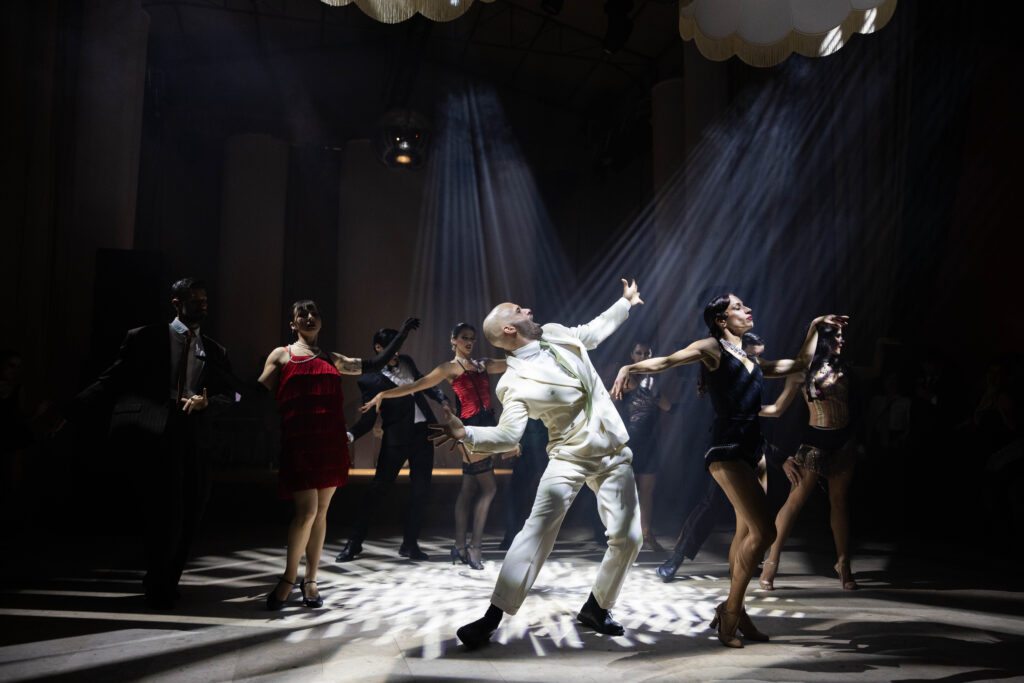
They energize the room. They amplify reach. They create buzz. Performative Arts, however, operate on a different strategic level. They draw from theatre, contemporary dance, ritual, dramaturgy and symbolic storytelling to express brand identity through live artistic language. Instead of explaining positioning, they embody it. Instead of presenting a narrative, they stage it.

Entertainment creates moments.
Performative Arts build memory.

What Performative Arts Actually Mean

Performative Arts is not a show added at the end of an event. It is a bespoke experiential discipline designed from the very beginning of a project.

We start with the brand’s DNA, from its personality, ambition, positioning and emotional territory. From there, we translate identity into movement, narrative, interaction and live expression.

Nothing is standard.
Nothing is layered on top.
The performance grows from the experience itself.

It is not designed for passive observation. It invites participation. In a brand experience context, audiences do not simply watch — they step into a shared moment, identify with the brand, and become emotionally involved.

As Diana Castro explains,
“Performative arts allow us to create parallel worlds — tangible and alive, designed for each event to serve a story.”

When performance is conceived from identity, it stops being entertainment.
It becomes brand embodiment.

What It Can Look Like in Practice

Performative Arts can take many forms, depending on the strategic objective:

    • A choreographed opening that reflects company values.
    • A short scripted live scene demonstrating product transformation.
    • Subtle performers interacting with visitors throughout the space.
    • A symbolic ritual marking a product launch.
    • A staged human–AI dialogue replacing a traditional keynote.
    • A site-specific performance unfolding during the entire event.

These are not decorative moments.
They are strategic expressions of positioning.

What differentiates performative arts is the coherence behind them — the way every sensory element serves a single narrative intention.

“Music, theatre, light and sound design come together to build a coherent sensory and emotional experience. Each element adds a layer of meaning, feeding the narrative and giving it depth.” – Diana Castro

Why It Matters Now

Audiences today are overstimulated.

More screens will not differentiate a brand.
More volume will not elevate perception.

Meaning will.

In an AI-driven world, human presence becomes premium. Live artistic expression creates emotional anchors that cannot be skipped, scrolled or replicated.

As Diana Castro explains:

“Stories take shape. Characters emerge. Dramaturgy, tension and real interactions unfold. The line between reality and fiction becomes subtle because there is nothing more real than emotion. And in that emotional space, participants stop being mere spectators. They become part of the story. Part of the experience. Part of the brand.”

This is the shift from reaction to resonance.
From spectacle to significance.

How Multilem Delivers It Differently

Many agencies book performers.

Few design performance as a structured discipline integrated into experiential strategy.

At Multilem, Performative Arts is now a dedicated capability, designed, curated and executed end-to-end under one roof.

We define narrative intention.
We curate artistic direction.
We cast talent aligned with brand identity.
We script, choreograph and rehearse with precision.
We direct live execution with discipline.

Not outsourced.
Not improvised.
Not decorative.

Integrated into strategy from day one.

Designed. Directed. Delivered.

Stop Entertaining.
Start Moving.

Performative Arts by Multilem.
A fully customized experiential discipline built from your brand DNA.

Because in the end, the real question is not:
“What will entertain?”

It’s:
“What will move people — and position the brand?”

Let’s stage your next brand experience.

Performative Arts by Multilem, [download here].

LET’S TALKtest

Iconic Moves for Brand Experience 2026

By Insights, Destaque No Comments
INSIGHT

Iconic Moves for
Brand Experience 2026

17 de Fevereiro de 2026

By Multilem

This is not a trend report.

In 2026, brand experiences won’t be shaped by trends — but by the moves bold brands choose to make.

Iconic Moves for Brand Experience 2026 is Multilem Worldwide’s point of view on what’s next. Not predictions. Not hype. Real signals, grounded in years of designing experiences, observing human behaviour, and working at the intersection of creativity, business and technology.

The report identifies 12 iconic moves that are redefining how brands connect with people in an increasingly complex landscape — one where every experience must resonate emotionally, perform commercially, and be understood by AI systems at the same time.

From experiences that think, to agent-led brand interactions, from imagination as refuge to brand belonging as a competitive advantage, these moves are not about doing more. They’re about doing what matters.

This report is an invitation to rethink how experiences are designed, measured and remembered.

And above all,
an invitation to move first.

Download the full article and discover what’s shaping the future of Brand Experience.

[Download Now]

LET’S TALKtest

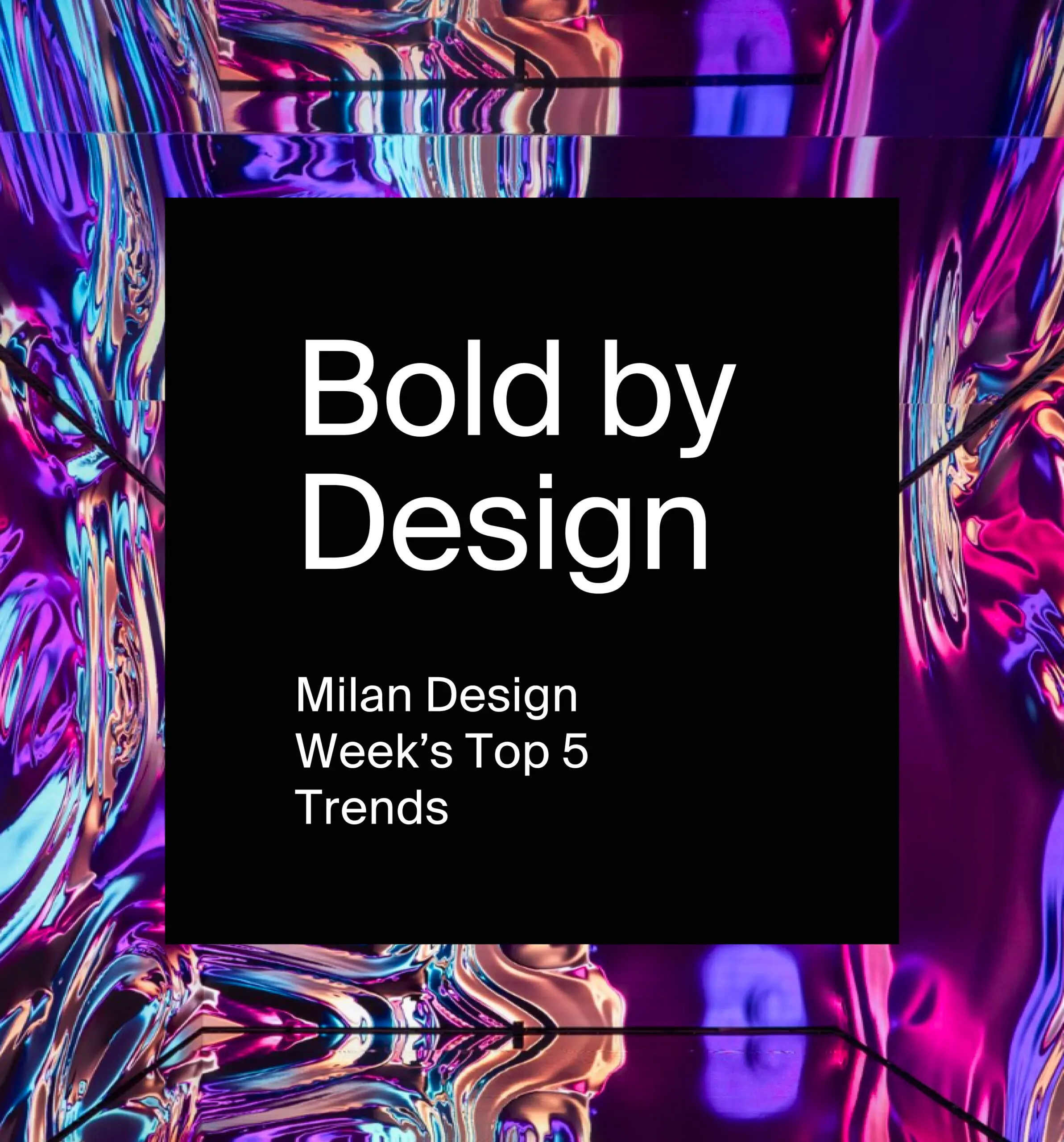
Bold by Design: Insights from Milan

By Insights, Destaque No Comments
INSIGHT

Bold by Design: Insights from Milan

JUNE 04TH, 2025

By Multilem

Our brilliant creative team attended Milan Design Week and came back with rich insights, powerful inspirations, and key trends that are redefining brand experiences.

Ana Coelho, Luísa Castro, David Letras, and Paulo Mansos captured the essence of bold design, and their journey inspired this beautifully crafted article.

Curious?

Download the full article and discover what’s shaping the future of brand experience.

[Download Now]

LET’S TALKtest

Expo 2025 Osaka: 4 learnings of ‘Wonders of Arabia’

By Insights, Destaque No Comments
INSIGHT

Expo 2025 Osaka: 4 learnings of ‘Wonders of Arabia’

OCTOBER 16TH, 2025

By Multilem

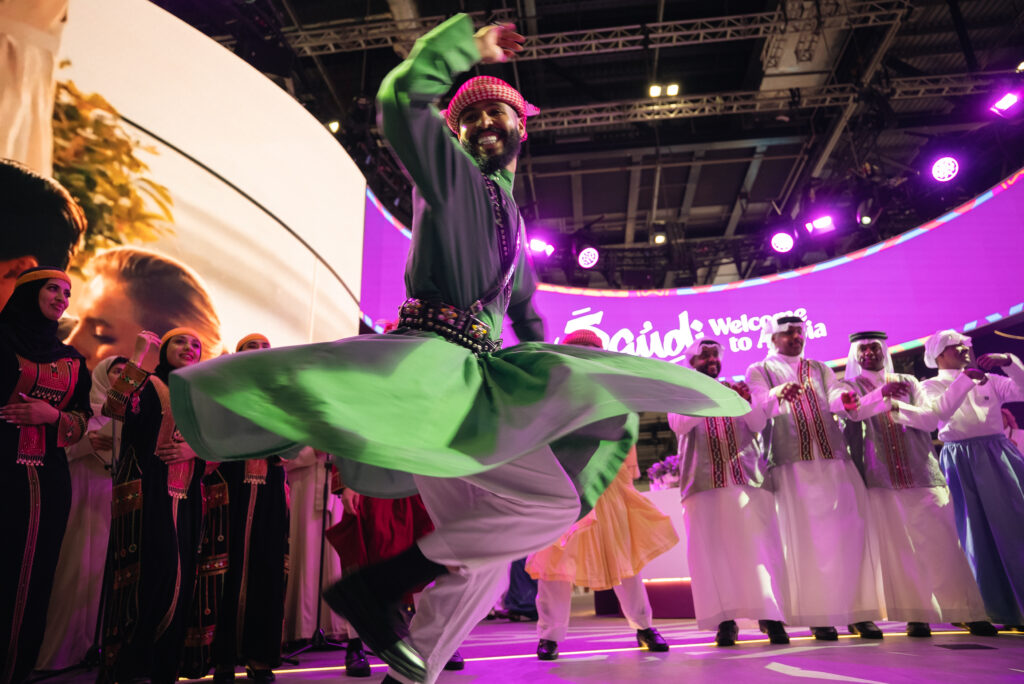
At Expo 2025 Osaka, more than 64,500 visitors experienced Saudi culture through Wonders of Arabia, an immersive project designed by Multilem for the Saudi Tourism Authority. Beyond celebrating 70 years of diplomatic relations between Saudi Arabia and Japan, the project left us with key lessons on how to create meaningful impact on a global stage and elevate the future of brand experience.


1. The power of cultural storytelling

The experience took visitors on a journey across AlUla, Diriyah, Riyadh, and the Red Sea, weaving together traditional elements such as Arabic calligraphy and crafts with contemporary icons like Formula 1 and Cristiano Ronaldo. This vibrant universe resonated strongly with the Japanese audience. The takeaway: when tradition and innovation meet, stories become universal — a foundation for any powerful brand experience.

2. Managing massive audiences

With peaks of over 2,400 visitors at the same time and long daily queues, flow management was critical to ensuring an immersive experience without losing quality. The learning: experience design is also operations design, and Multilem’s expertise in handling complexity is central to creating seamless global brand experiences.


3. Experiences as cultural bridges

This project was more than a pavilion — it was a cultural bridge between Saudi Arabia and Japan, a reminder that immersive brand experiences have the power to connect countries, cultures, and visions of the future.


4. Expanding into new markets

Wonders of Arabia also marked a strategic step for Multilem in Asia, consolidating our presence with the recent opening in China. The insight: every global brand experience is also a business growth opportunity.

At Multilem, we see every project as a living lab of innovation. Osaka reminded us that when experiences are told the right way, their impact knows no borders. That is the essence of a meaningful brand experience on the world stage.


What lessons do you believe should guide the future of global brand experiences?

LET’S TALKtest

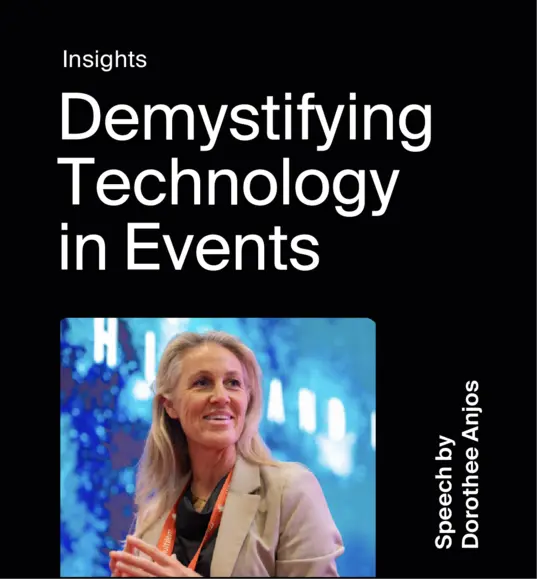
Demystifying Technology in Events: Why the Human Connection Still Wins in an AI World

By Insights No Comments
NEWS

Demystifying Technology in Events: Why the Human Connection Still Wins in an AI World

APRIL 29TH, 2025

By Multilem

The Acceleration of Technology

The pace of technological change today is nothing short of staggering. Artificial intelligence, once limited to prediction and automation, is now creating content, crafting solutions, and reshaping industries – events included.

From real-time personalization to seamless logistics, AI is streamlining what used to be intensive processes and doing it with impressive accuracy and speed. But with all this advancement, one question rises above the rest: what happens to the human role in experiences driven by technology?

From Predictions to Creation

AI has long been part of our toolkit, helping businesses analyze patterns, predict behaviors, and automate tasks. What’s different now is its ability to create. We’ve entered a new phase where machine learning is no longer just supportive, it’s generative.

In the events world, this means what once required dozens of professionals and weeks of planning can be prototyped in hours. A campaign concept, visual mock-up, or data analysis that would traditionally take a team is now accessible to a single user equipped with the right tools. The barrier to execution has dropped, and the potential for innovation has skyrocketed.

Still, this isn’t about AI replacing professionals –  it’s about how we redefine our roles alongside it.

The Human Factor: More critical Than Ever

Despite AI’s speed and efficiency, there’s one thing it fundamentally lacks: emotion. It can simulate tone, mimic conversation, and generate content, but it doesn’t understand what it means to feel. It doesn’t know what makes a moment unforgettable.

That understanding is uniquely human.

People shape the questions AI responds to. People set the strategy, the vision, and the intention. While AI can enhance what we do, it cannot replicate the authenticity, intuition, or empathy that humans bring to experience design. Events are emotional landscapes, and emotion is what drives memory, connection, and loyalty.

This is why, after a global period of digital fatigue, we witnessed a resurgence in face-to-face gatherings. Humans are social by nature. We don’t just attend events for information,  we come for inspiration, for connection, for belonging.  Because in events, just as in life, emotions are irreplaceable.

AI in Tourism and Events: A New Reality

AI is already embedded in many aspects of the tourism and event industries. From biometric processing in airports to intelligent travel planning and personalized event content, the transformation is well underway. The data points are clear: adoption is high and growing, and the benefits in efficiency and engagement are evident.

Yet despite the digital shift, what guests remember most from an event is rarely the tech itself. It’s the sensory experiences  –  the unexpected, the emotional, the human. A scent, a sound, a shared moment of surprise –  these are the memories that endure.

97% of passengers are expected to be processed with facial recognition by 2027.
73% of travelers are already using AI to plan trips.
91% of event attendees engage more with personalized content.
90% of event professionals believe AI will significantly boost efficiency.

Technology may enhance the frame, but emotion fills the canvas.

Finding Balance: Tech as Enabler, Not Replacer

The challenge now is not whether to use AI — it’s how to use it responsibly and meaningfully.

1. Use AI to remove friction –  not emotion: When integrated thoughtfully, AI removes friction, allowing professionals to focus on what really matters: curating moments that resonate. Tasks like check-ins, scheduling, and data management can be automated, freeing up time and energy to invest in storytelling, atmosphere, and emotional engagement.

2. Design for meaning: Designing for meaning means making space for spontaneity and surprise. It means building experiences that are not only efficient but also deeply felt.

3. Measure what truly matters: Metrics matter, of course –  but the real measure of success goes beyond clicks and conversions. We must ask: Did the audience feel something? Did they connect – not just with the brand, but with each other?

The Human Touch in Action

Consider a well-crafted brand activation. Guests may remember the digital interactivity, but they’ll feel the warmth of a personal welcome, the aroma of freshly brewed coffee, the drumbeat reverberating through a space. These are not technological outputs — they are human stories, carefully composed through sensory design and emotional intelligence.

It’s no coincidence that leading companies continue to invest heavily in people. Many allocate up to 70% of their resources to human capital and only 30% to tech. That’s not a rejection of AI, it’s an embrace of what really drives experience: human connection.

Conclusion: The Architects of Emotion

Artificial intelligence is here to stay,  and its role in the events industry will only grow. It is an essential partner in enhancing productivity and precision. But it is not the driver of vision.

As emphasized by Dorothee Anjos, General Director of Multilem Middle East, during her solo talk at ATM Dubai this week.

AI is the co-pilot, not the creator.

The reason people gather hasn’t changed. They come not just to watch, listen, or consume – but to feel, to share, to be part of something bigger. That purpose remains timeless, no matter how sophisticated the tools we use.

In the end, the future of events won’t be defined by how advanced our technology is — but by how meaningfully we use it to connect people.

Emotion is still the most powerful medium. And we, as humans, remain its greatest artists.

LET’S TALKtest

Thriving Brands, Happy Teams

By Insights No Comments
INSIGHTS

Thriving Brands, Happy Teams

FEBRUARY 24TH, 2025

By Multilem

At Multilem, we know that great brand experiences start with people. But what truly makes a company thrive? Our latest report uncovers five key insights that drive a culture of innovation, collaboration, and growth. From empowering young talent to fostering leadership by example, we share how putting people first fuels success.

Want to know the secret to a thriving brand and a happy team?

Download here the report now and explore how Multilem is shaping the future of brand experiences.

LET’S TALKtest

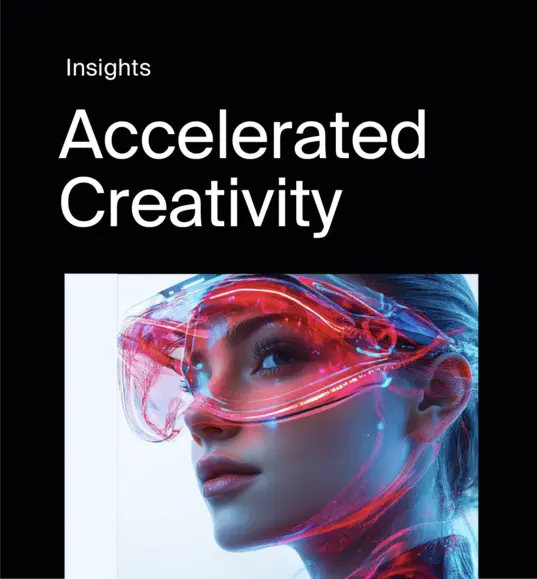
The Impact of Artificial Intelligence on Creativity at Multilem

By Insights, Destaque No Comments
INSIGHTS

The Impact of Artificial Intelligence on Creativity at Multilem

FEBRUARY 06TH, 2025

By Multilem

Artificial intelligence is redefining the way we create, innovate, and communicate. At Multilem, we are closely following this evolution, exploring new tools and methodologies that enhance creativity and efficiency in the development of our projects.

We spoke with our creative professionals to understand the impact of AI on the creative work at Multilem and how we have been adapting to this transformation.

Download here to discover our perspectives in the full article.

LET’S TALKtest